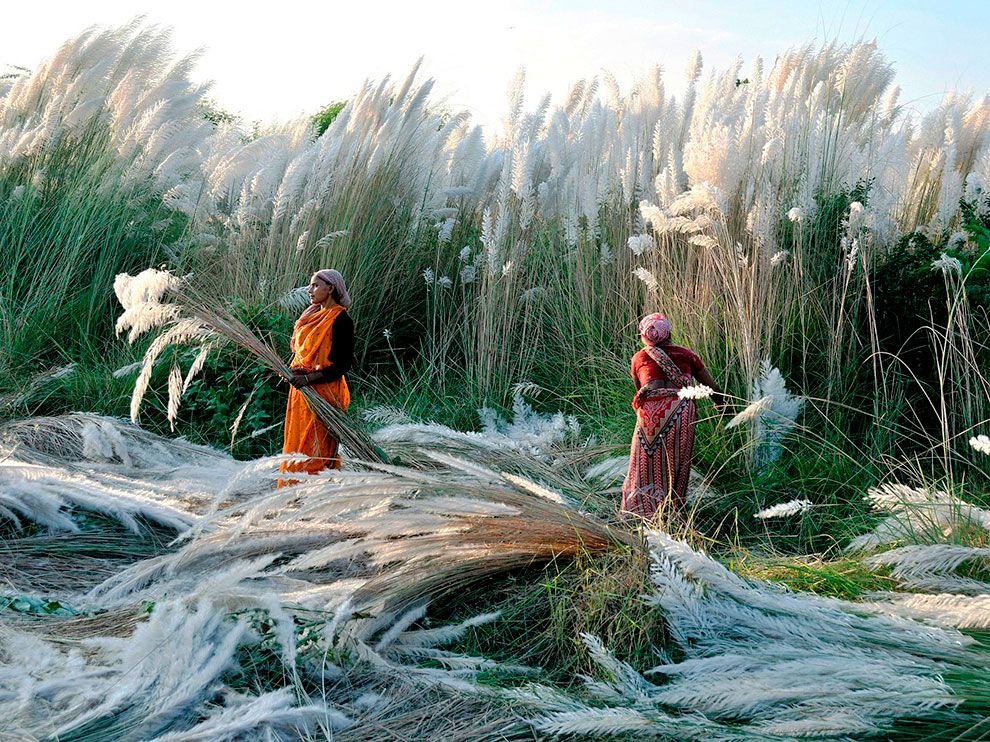
Love in a Sea of White
July 2026
Read chapter


July 2026
Read chapter
9.48
From field research to moving image, each form gives us a different way to document memory, culture and social change.
We make feature, short, and series documentaries rooted in real lives and real places. Working closely with the communities we film, we approach each subject with patience and care, letting lived experience guide the story rather than shaping it to fit a narrative.
Our narrative work draws from memory, place, and imagination to tell stories grounded in emotional and cultural truth. Fiction becomes a space to explore what documentary cannot always reach — inner life, dialogue, and the texture of everyday experience.
Through theatre, live art, and public performance, we create work in shared physical spaces where audience and performer meet in real time. This practice keeps us connected to tradition, spontaneity, and the collective energy of live storytelling.
We build podcasts, interactive narratives, and visual essays for audiences engaging with stories in new formats. This work extends our reach beyond traditional screens, meeting people where they already are.
Through documentary photography and long-form photo essays, we capture moments that stand alone as testimony. Photography lets us slow down and hold a single frame with the same depth of attention we bring to film.
Our research practice includes reports, essays, field notes, and oral histories that inform and deepen our creative work. Every film and performance is backed by careful inquiry, ensuring what we make is thoughtful, accurate, and respectful of context.
Humanity, planet, and culture are not separate — they shape each other. Holding all three in view keeps our storytelling honest to the complexity of real life.
Understanding the lives, dignity, and futures of people, education, healthcare, justice, migration, and the systems people move through.
Explore
Exploring the changing relationship between people and the Earth — climate, rivers, biodiversity, and who carries the burden.
Explore
Preserving memory, celebrating creativity, documenting transformation — heritage, language, performance, and identity.
Explore
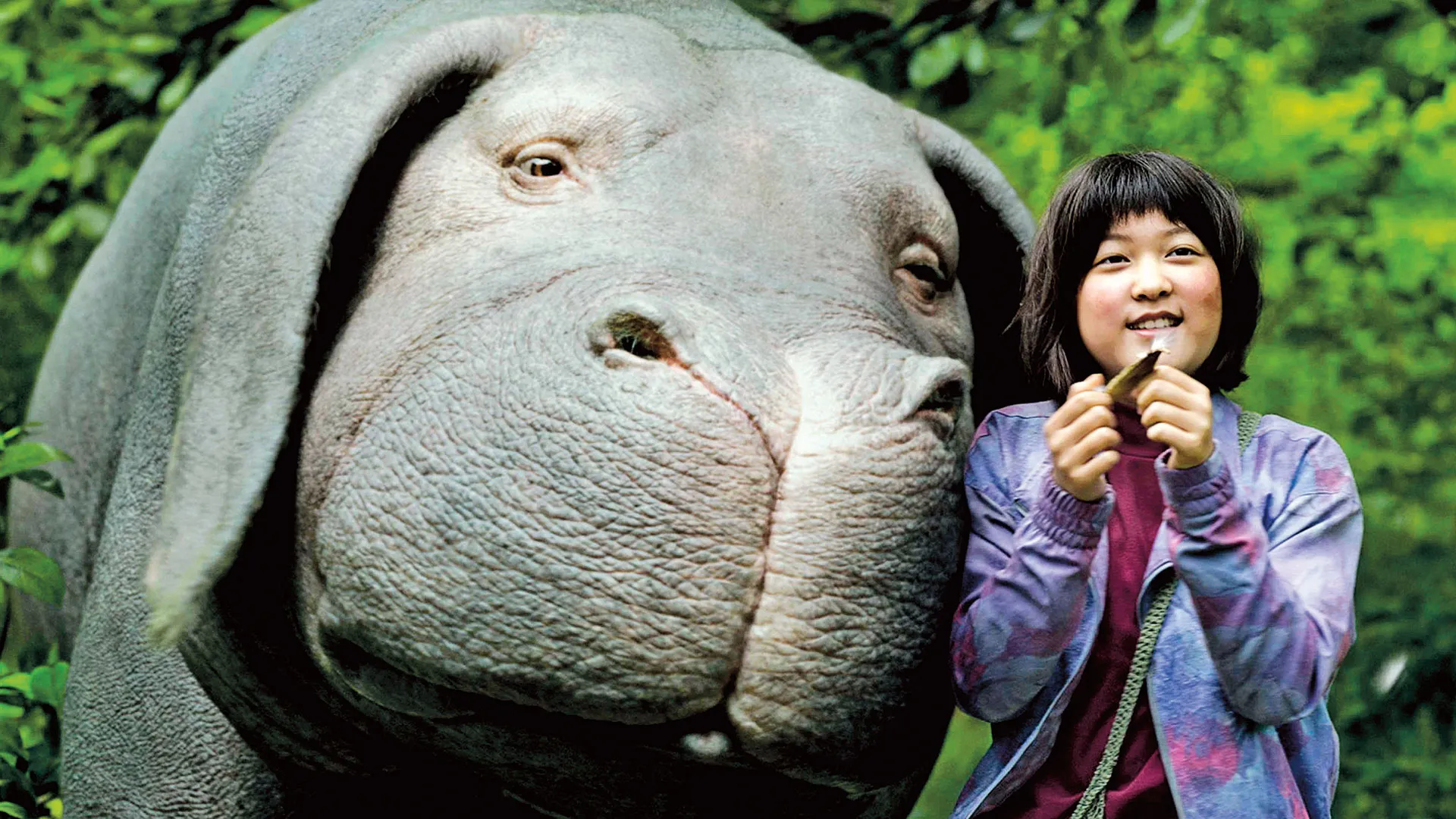
Okja is not simply a film about animal rights. It is an examination of capitalism, corporate power, environmental exploitation, media spectacle, and the ways affection can become an unexpected form of political resistance.
Read more
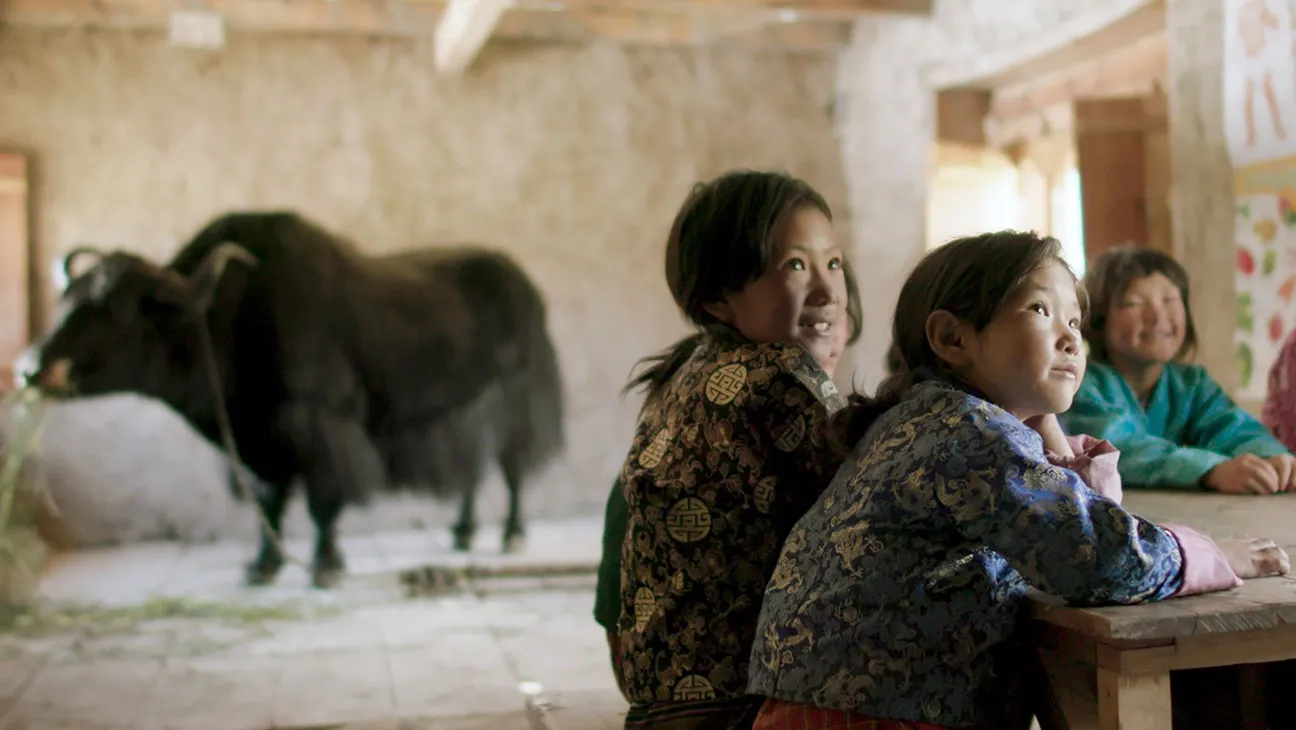
Pawo Choyning Dorji’s Lunana: A Yak in the Classroom (2019) is a deeply moving film that explores education, modernity, cultural identity and the meaning of happiness. Through the journey of a reluctant teacher sent to a remote Bhutanese village, the film questions whether material success alone can give life true purpose.
Read more
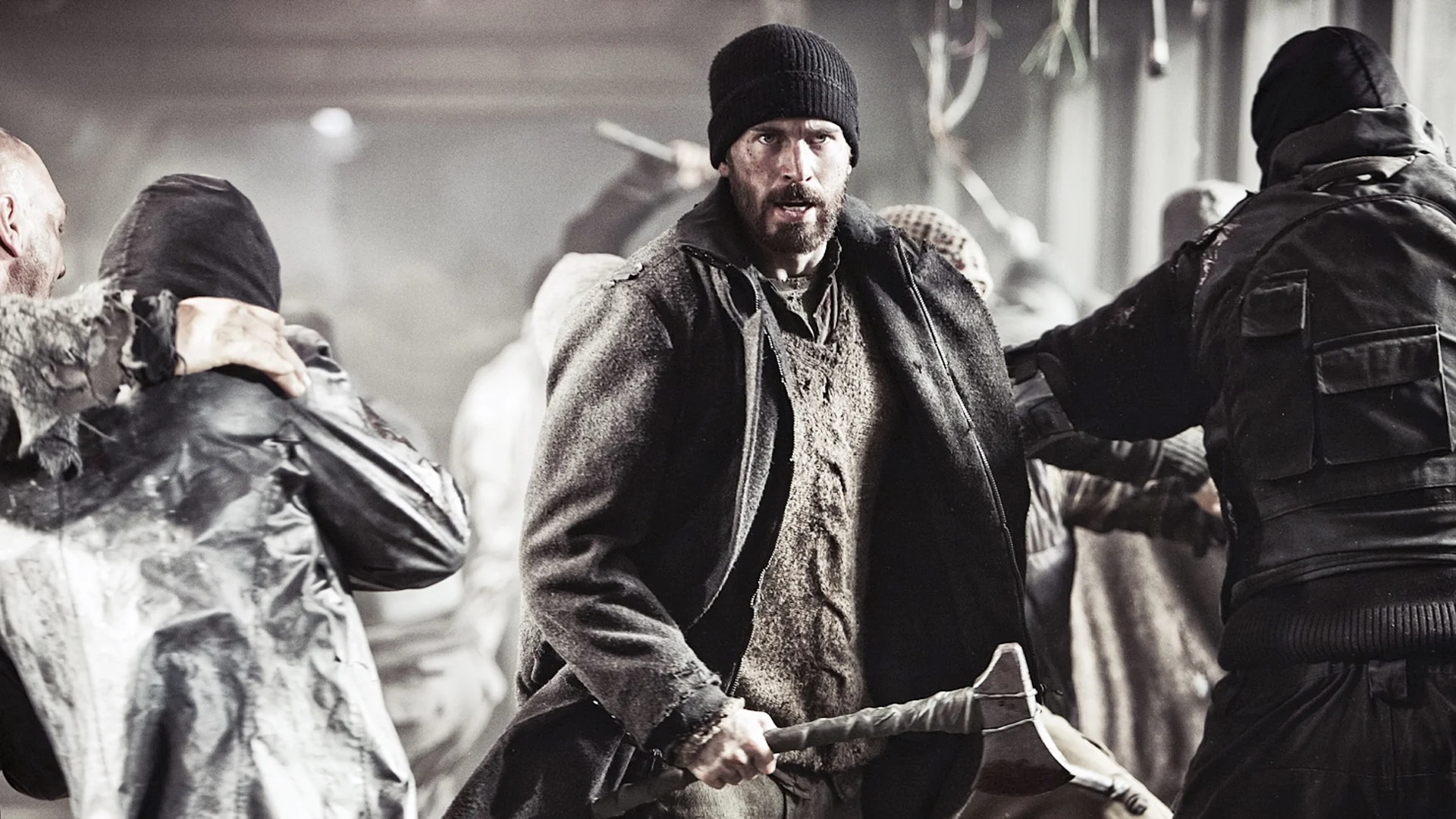
Bong Joon-ho’s Snowpiercer (2013) is a powerful dystopian film that uses a constantly moving train to explore class inequality, political control, environmental disaster and revolution. Through its divided society, the film presents a disturbing vision of a world where survival depends on maintaining a brutal social hierarchy.
Read more
No Discrimination. No Climate Injustice. No Erasure.
Bangladesh has been born twice — in 1971, through liberation, and in 2024, through the July Revolution. The Third Birth is a long-term documentary initiative exploring a more humane, sustainable, and culturally vibrant future.
Equal voice, dignity, and justice for communities marginalized by caste, class, gender, religion, or belief.
The unequal burden of the climate crisis — who carries the cost of a crisis they did not cause.
The right of communities to narrate their own history, memory, and identity.
A filmmaker documenting the people, resistance and spirit of Bangladesh.
Read full storyStories, field notes and updates delivered to your inbox.
